
Foot and Ankle Arthroscopic Surgery Specialist
Arthroscopic Surgery of the foot & Ankle
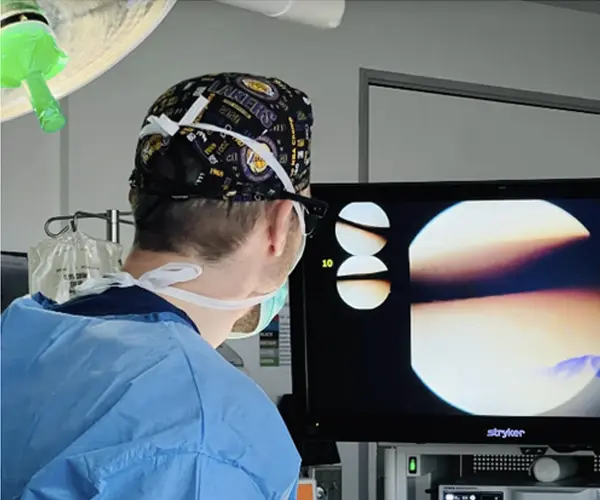
Arthroscopic surgery, also known as minimally invasive or keyhole surgery, is a medical procedure used to diagnose and treat joint-related conditions. This technique involves the insertion of a small, flexible camera called an arthroscope through tiny incisions in the skin near the affected joint. The arthroscope provides a clear view of the joint’s interior on a monitor, allowing the surgeon to examine, repair, or remove damaged tissues.
Dr. Ryan M. Sherick at the Apex Foot & Ankle Institute in Thousand Oaks, California provides advanced techniques in Sports Medicine and Arthroscopic surgery for all aspects of the foot and ankle.
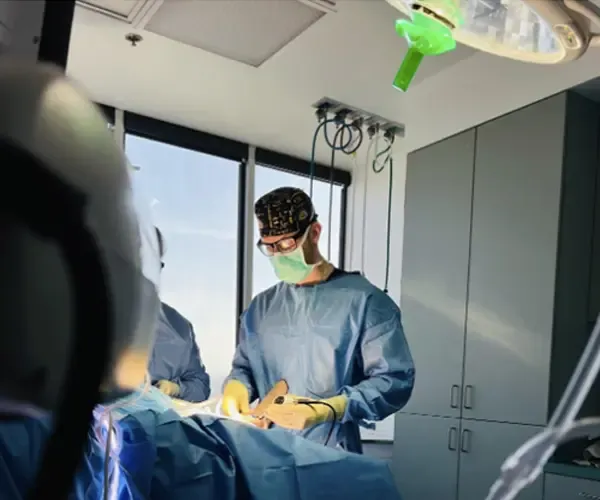
Arthroscopic surgery offers numerous advantages over traditional open surgery, including smaller incisions, reduced pain, faster recovery, and less scarring. It is commonly used to address issues in the knee, shoulder, hip, and other joints. Common procedures include repairing torn ligaments, removing bone spurs, and treating conditions like arthritis.
Patients who undergo arthroscopic surgery can often return to their regular activities more quickly, making it a preferred choice for many orthopedic issues. However, the suitability of this procedure depends on the individual’s condition and should be determined in consultation with a medical professional.
During the procedure of Arthroscopic Surgery, the surgeon does the following:
Incision:
The surgeon creates small incisions near the affected joint, typically ¼ to ½ inch in size.
Arthroscope Insertion
A thin, flexible arthroscope with a camera is inserted through one incision, providing a clear view of the joint’s interior.
Inspection:
The surgeon examines the joint, identifying any issues such as damaged cartilage, torn ligaments, or inflammation.
Treatment:
Using specialized instruments, the surgeon can repair or remove damaged tissues, bone spurs, or foreign objects.
Closure:
After completing the necessary procedures, the incisions are closed with stitches or adhesive strips.
Indications for Ankle and Surgery
A Comprehensive Guide by Apex Foot & Ankle Institute
Ankle and foot arthroscopic surgery is a cutting-edge medical procedure that offers minimally invasive solutions to a range of orthopedic conditions. Dr. Ryan M. Sherick and the team at Apex Foot & Ankle Institute in Los Angeles are experts in this field. In this article, we will explore the various indications for ankle and foot arthroscopic surgery, shedding light on how it can effectively treat conditions such as ankle arthritis, fractures, instability, impingements, and more.
Ankle Arthritis:
Ankle arthritis is a condition characterized by inflammation and degeneration of the ankle joint. It can lead to chronic pain, stiffness, and difficulty in mobility. Ankle arthroscopic surgery can provide relief by removing damaged tissue and smoothing joint surfaces, thereby reducing pain and improving joint function.
Arthroscope Insertion
A thin, flexible arthroscope with a camera is inserted through one incision, providing a clear view of the joint’s interior.
Inspection:
The surgeon examines the joint, identifying any issues such as damaged cartilage, torn ligaments, or inflammation.
Treatment:
Using specialized instruments, the surgeon can repair or remove damaged tissues, bone spurs, or foreign objects.
Closure:
After completing the necessary procedures, the incisions are closed with stitches or adhesive strips.
Arthroscopy of the Subtalar and Small Joints of the Foot
Arthroscopy of the subtalar and small joints of the foot is a specialized surgical procedure designed to diagnose and treat various conditions affecting these joints. Whether you’re preparing for this surgery or seeking information about what to expect, this guide will walk you through the process step by step.
Before the Procedure:
Before undergoing arthroscopy of the subtalar and small joints of the foot, it’s crucial to prepare adequately. Here’s what you need to do:
Consultation:
Schedule a consultation with your orthopedic surgeon. This is the time to discuss your symptoms, medical history, and any concerns you might have. Your surgeon will also explain the procedure and answer any questions.
Medical Evaluation:
Your surgeon may require you to undergo certain medical tests to ensure you are in good health for the surgery. These tests might include blood work, X-rays, or magnetic resonance imaging (MRI) scans.
Medications:
Inform your surgeon about any medications you are taking. Some medications may need to be adjusted or temporarily discontinued, particularly blood-thinning medications.
During the 2 Weeks Before Your Surgery:
Before undergoing arthroscopy of the subtalar and small joints of the foot, it’s crucial to prepare adequately. Here’s what you need to do:
Consultation:
Schedule a consultation with your orthopedic surgeon. This is the time to discuss your symptoms, medical history, and any concerns you might have. Your surgeon will also explain the procedure and answer any questions.
Medical Evaluation:
Your surgeon may require you to undergo certain medical tests to ensure you are in good health for the surgery. These tests might include blood work, X-rays, or magnetic resonance imaging (MRI) scans.
Medications:
Inform your surgeon about any medications you are taking. Some medications may need to be adjusted or temporarily discontinued, particularly blood-thinning medications.